
Running, Walking, and Cycling: Which One Is Right for Your Body and Age?

Most of us don’t struggle with the idea of exercising. The real struggle begins with a simple but confusing question: which exercise is actually best for me? Running, walking, cycling—every option sounds right until you try to choose one. Social media says one thing, friends say another, doctors suggest something else, and your body quietly sends its own signals. To make it more complicated, age plays a big role. What feels easy and exciting in your twenties may not feel the same in your forties, and what works for someone else may not work for you at all.
Instead of giving generic fitness advice, this article focuses on answering real, practical questions. Which exercise is better for heart health? How does age affect your choice of exercise? What does scientific research actually say, beyond gym opinions and viral reels?
The insights shared here are based on research papers, expert recommendations, and personal experience. I’m not claiming to be a fitness expert. The goal is simple: to help you understand your options clearly so you can choose an exercise that fits your body, your age, and your lifestyle.
Running: Is It Really the Best Exercise for Your Heart?
Running is often considered one of the most intense forms of exercise, but it’s also one of the most effective when done the right way. It challenges your body, improves endurance, and delivers long-term health benefits that go far beyond weight loss. While running isn’t suitable for everyone, research clearly shows that for many people, it can be a life-changing habit.
One of the strongest reasons to include running in your routine is its impact on longevity. A major study published in the Journal of the American College of Cardiology found that runners tend to live longer than non-runners. According to the research, runners had a 30% lower risk of death from all causes and lived around three years longer on average. Interestingly, these benefits were seen even in people who ran at a moderate pace and for shorter durations.
From a fitness and weight-management perspective, running is highly effective because it burns a large number of calories in a relatively short time. This makes it especially helpful for people who want faster fitness results or are working toward fat loss. Compared to many other exercises, running raises your heart rate quickly and keeps your metabolism active even after the run is over.
Who running is generally good for:
- Adults between 18–40 years with no major joint issues
- People with normal body weight who want faster fitness improvements
- Overweight or older adults who start with slow jogging and progress gradually
At the same time, running is a high-impact exercise, which means caution is important.
- If you have knee pain, joint issues, or past injuries, it’s best to consult a doctor before starting
- Starting too fast or running too much too soon can increase the risk of injury
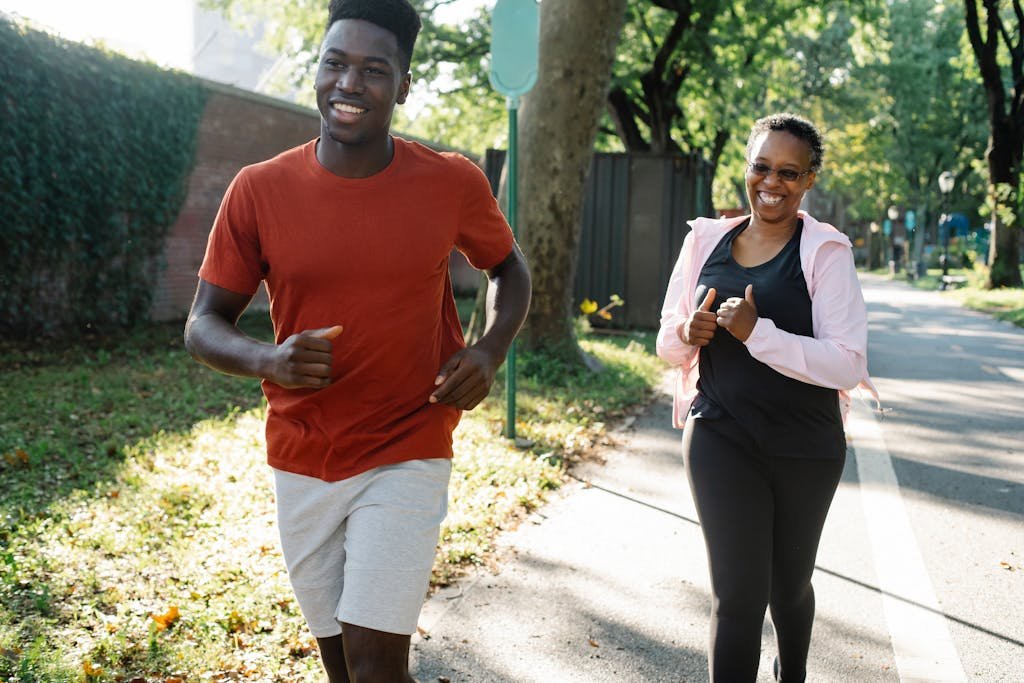
Running has a powerful effect on heart health. It strengthens the heart muscle and improves the elasticity of blood vessels, which helps lower resting heart rate and blood pressure over time. As a result, your cardiovascular system becomes more efficient. Studies suggest that regular runners are 45–50% less likely to die from heart disease or stroke, making running one of the strongest exercises for long-term heart protection.
Beyond physical health, running also benefits the brain. It is one of the most effective exercises for stimulating neurogenesis, the growth of new brain cells. This process mainly affects the hippocampus, the part of the brain responsible for memory and learning, helping improve mental sharpness and cognitive health as you age.
Another well-known benefit is the emotional boost commonly called the “runner’s high.” Research shows that running releases endorphins and endocannabinoids—natural chemicals that help reduce stress and improve mood. Regular running has been shown to reduce symptoms of depression by up to 26%, which explains why many runners feel calmer and more positive after a run.
There’s also a popular belief that running ruins your knees, but research paints a different picture. When done in moderation, recreational running can actually protect knee and hip joints. The weight-bearing impact strengthens bones, increases bone density, and helps cartilage adapt to stress, reducing the risk of arthritis rather than increasing it. Overall, running is a powerful exercise for improving heart health, mental well-being, brain function, and lifespan.
Cycling as Exercise: How It Rewires Your Body for Longevity

Cycling is often underestimated because it looks easy on the body. But behind that smooth pedaling motion, cycling quietly upgrades almost every major system in our body — from our heart and brain to our immune system and joints. What makes cycling truly special is that it delivers powerful health benefits without punishing our knees, making it one of the most sustainable exercises across all age groups.
A large study published in The British Medical Journal (BMJ) followed more than 260,000 people and found that those who regularly cycled to work had a 45% lower risk of developing cancer and a 46% lower risk of heart disease. These aren’t small improvements — they’re life-changing numbers. The takeaway is simple: consistent cycling doesn’t just improve fitness, it significantly reduces the risk of chronic disease.
Cycling is also deeply connected to mental well-being. A 2024 study from the University of Edinburgh found that people who cycled to work were 15% less likely to be prescribed medication for anxiety or depression. The steady rhythm of pedaling, exposure to outdoor light, and improved blood flow to the brain work together to calm the nervous system and improve mood naturally.
One of cycling’s biggest advantages over running is joint protection. Cycling is a non-weight-bearing exercise, which means your bike supports your body weight instead of your knees and hips. Because of this, cycling is often recommended for people with early-stage osteoarthritis or joint sensitivity who still want to stay active without pain.
Perhaps the most fascinating benefit of cycling is its anti-aging effect on the immune system. Research has shown that regular cycling keeps the thymus gland — the organ responsible for producing immune cells — active even in older age. In some studies, older cyclists had immune systems functioning similarly to those of people in their twenties. In simple terms, cycling helps your body stay biologically younger.
How Cycling Transforms Your Body
Cycling improves health in ways that go far beyond visible fitness.
- Cardiovascular Upgrade: Cycling increases the heart’s stroke volume, meaning your heart pumps more blood with each beat. Over time, this lowers resting heart rate and reduces arterial stiffness, making your heart more efficient.
- Metabolic Health: Regular cycling improves insulin sensitivity, helping the body manage blood sugar levels and reducing the risk of Type 2 diabetes.
- Brain Power: Pedaling increases blood flow to the brain by up to 30%, triggering the release of BDNF (Brain-Derived Neurotrophic Factor), which supports memory, learning, and the growth of new brain cells.
- Mental Balance: Cycling lowers cortisol (stress hormone) while increasing serotonin, contributing to better emotional stability and focus.
Which Age Group Benefits the Most?
Cycling is rare in that it adapts beautifully to different life stages.
- Kids (6–18 years): Cycling supports healthy physical development, improves concentration, and builds lifelong fitness habits.
- Adults (19–50 years): This is the peak phase for using cycling to manage weight, reduce stress, and improve metabolic health — especially when used as a daily commute.
- Seniors (60+ years): Cycling may be most valuable here. Research indicates it’s one of the best exercises for mobility-limited older adults, as it improves leg strength and balance without the fall risk or joint damage associated with running.
For many seniors, cycling becomes a safe way to stay independent, active, and confident.
Who Should Be Careful or Avoid Cycling?
While cycling is safe for most people, some individuals should take precautions or seek medical advice first:
- Severe Osteoporosis: Cycling does not build bone density as effectively as walking or strength training. Those with brittle bones should combine cycling with weight-bearing exercises.
- Acute Lower Back or Neck Issues: Herniated discs or severe sciatica can worsen with aggressive forward-leaning cycling positions. Upright or recumbent bikes are safer alternatives.
- Balance or Vertigo Disorders: Inner-ear issues increase fall risk and require medical clearance.
- Post-Surgical Recovery: People recovering from pelvic or prostate surgery should avoid cycling until fully cleared by their surgeon and may need specialized saddles.
Quick Facts About Cycling
- Impact on Joints: Low — protects knees and hips
- Calories Burned: 400–700 per hour (depending on intensity)
- Muscles Used: Quads, glutes, hamstrings, calves
- Mental Health Effect: Reduces stress hormones and boosts mood chemicals
How Daily Walking Improves Health Without Stress

Walking may look simple, but science shows it’s one of the most effective ways to protect long-term health. New 2025 research published in the Annals of Internal Medicine found that continuous walking for 15 minutes or more is far better for heart health than taking the same number of steps in short bursts throughout the day.
Even small amounts make a big difference. Just 21 minutes of brisk walking daily can reduce the risk of heart attack by 30%, while also lowering the risk of Type 2 diabetes by helping muscles use excess blood sugar more efficiently. A 2024 study from the University of Cambridge added another powerful insight: 11 minutes of brisk walking per day is enough to reduce the risk of early death, heart disease, and several cancers.
Walking is also one of the few exercises proven to grow the brain. Studies show it increases the size of the hippocampus, the brain’s memory center. Seniors who walked regularly even reversed 1–2 years of brain aging, improving memory and mental clarity.
So, Which Exercise Should You Actually Choose?
After all the research, numbers, and comparisons, the truth is simple: the best exercise depends on your age, body weight, and what your body needs right now. There is no single winner for everyone.
Choose Based on Your Body Weight
If you are overweight or have a high BMI
Your main goal should be fat loss without damaging your joints.
- Best choices: Cycling or walking
- Why: Running puts 3–4 times your body weight as pressure on your knees. Cycling is non-weight-bearing, so your joints stay safe while you still burn around 400–600 calories per hour.
- Avoid: High-intensity running or jumping exercises until you lose at least the first 10% of body weight.
If you have an average or healthy BMI
Your body can handle impact, so you can aim for efficiency.
- Best choices: Running
- Why: Running burns the most calories per minute, improves heart health quickly, and builds bone density.
- Smart approach: Run 3 days a week and add 2 days of strength training to protect muscle mass.
If you are underweight or have a low BMI
Your focus should be muscle gain and bone strength.
- Best choices: Strength training + light walking
- Why: Too much cardio burns calories you need for weight gain. Lifting weights triggers muscle growth, while short walks support heart health.
- Avoid: Long-distance running or excessive cycling.
Choose Based on Your Age
- Kids (6–18): Running and team sports
Builds strong bones, coordination, and healthy brain development. - Adults (19–45): Running and cycling
Best for weight control, stress reduction, and cardiovascular fitness. - Middle Age (46–60): Cycling and strength training
Protects joints while preventing muscle loss (sarcopenia). - Seniors (60+): walking and swimming
Supports balance, memory, and heart health with minimal fall risk.
Quick Decision Guide
- Fastest weight loss: Running
- Saving your knees: Cycling
- Mental clarity & consistency: Walking
- Building muscle: Weight lifting
My Personal Experience
I’ve personally tried both cycling and running, and honestly, both are excellent exercises. But for me, running feels more motivating and energizing. It gives me a stronger mental boost and a deeper sense of achievement. Cycling comes next, especially on recovery days, and walking is something I rely on for consistency and mental calm.
Everyone’s body responds differently — and that’s okay. The key is choosing what keeps you coming back.
In upcoming articles, I’ll share my 30-day cycling results and 30-day running experience, including energy levels, fat loss, and mental changes.
👉 If you’re specifically interested in heart health, you can also read our detailed article on how to keep your heart healthy through daily habits and exercise.





One Comment