
How Earphones Can Harm Your Hearing- and Safe Ways to Use Them
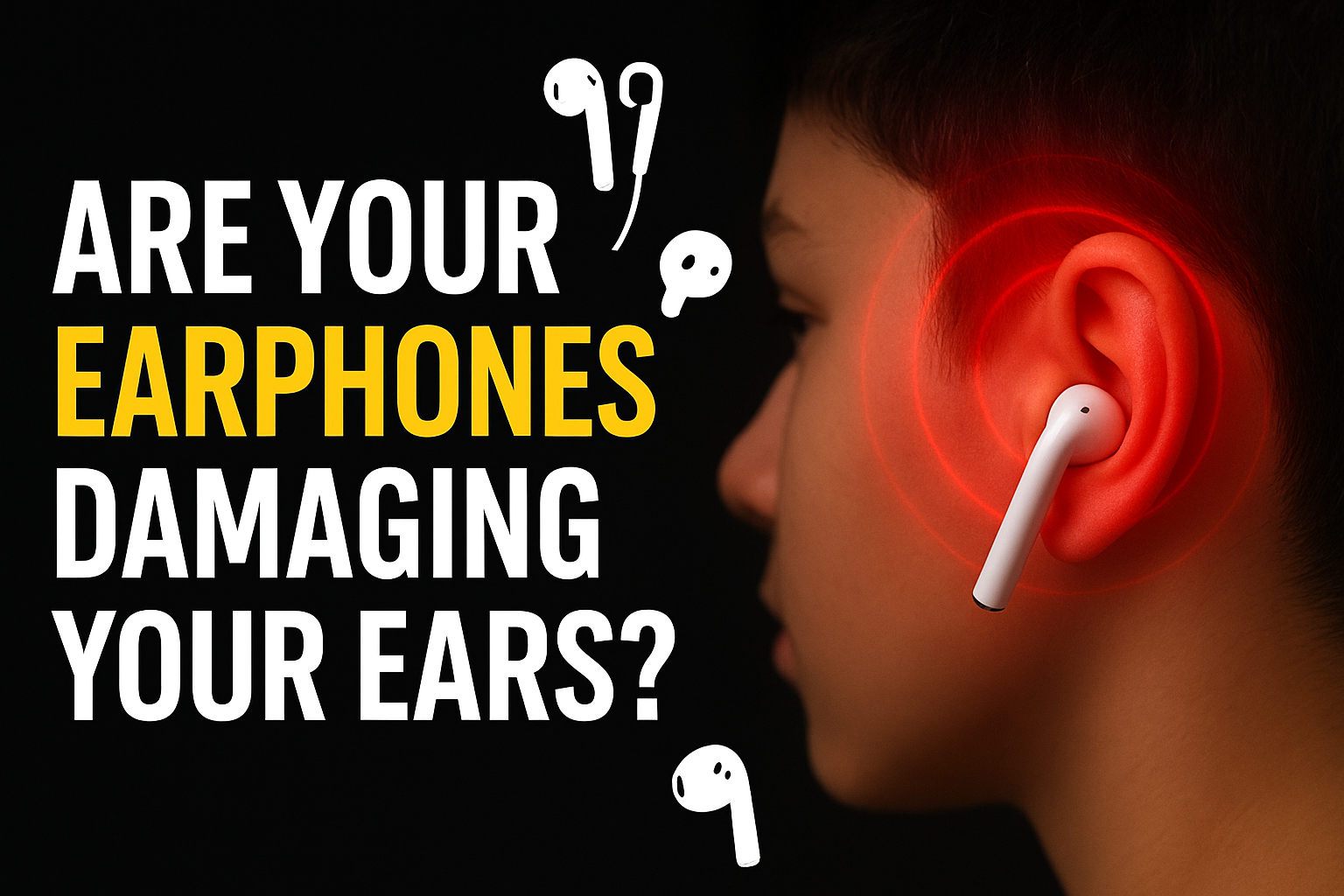
Most of us treat earphones like an extension of our body. We sleep with them, walk with them, work with them, and sometimes even talk to people with one earbud still in place. But a recent incident with one of my close friends reminded me how dangerous this habit can become when we ignore the warning signs.
A Real Story That You Shouldn’t Ignore
One of my friends has been using wireless earbuds almost every day for months. He listens to music for three to four hours daily, always at high volume — basically the “life feels empty without music in my ears” type of person. After a while, he started feeling an unusual discomfort in one ear. It wasn’t just normal irritation; he felt like something was actually coming out of his ear.
Thinking it was just earwax, he tried cleaning it, but the more he cleaned, the worse the pain became. Eventually, he visited a doctor. The diagnosis genuinely shocked us: his eardrum was swollen, inflamed, and dangerously close to getting seriously damaged. The doctor immediately told him to stop using all kinds of earphones and earbuds for a long time.
That moment made me realize that something we use casually every day can silently hurt our hearing without us even noticing.
Why I Personally Avoid Earbuds Most of the Time
Let me be honest — I rarely use earbuds myself. I only use them during important meetings, maybe once in ten days, and even then just for fifteen to twenty minutes. My volume never crosses 40%. I also prefer wired earphones instead of wireless ones, and as you read further, you will understand exactly why that choice makes sense.
How Earphones Actually Damage Your Ears
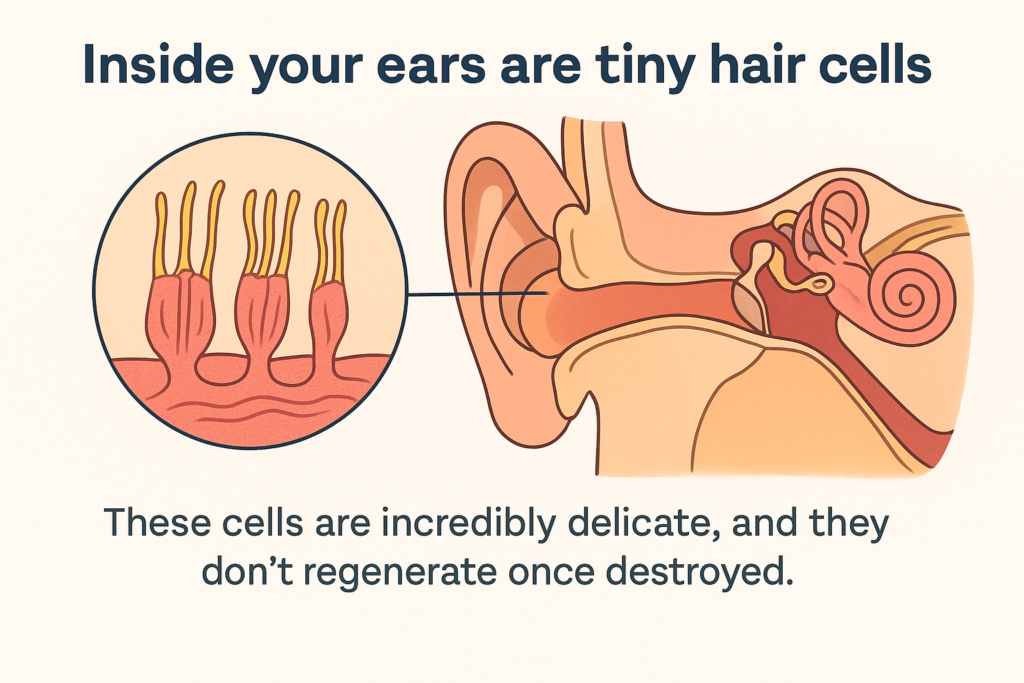
Inside your ears are tiny hair cells that help you hear. These cells are incredibly delicate, and they don’t regenerate once destroyed. Earphones sit deep inside the ear canal, and loud music vibrates these hair cells until they slowly wear out. The worst part? You never notice this damage immediately. It happens gradually, so silently that one day you just realize your ears need higher volume than before. That’s the first sign of early hearing loss — something no one in their 20s or 30s ever expects.
Wireless earbuds, especially the in-ear ones, cause even more harm because they sit extremely close to the eardrum. The sound has nowhere to escape, so all the pressure falls directly inside the ear. Even 70% volume over long periods is enough to gradually affect your hearing.
The Hidden Danger of Noise-Cancelling Earbuds
Noise-cancelling earbuds may feel like magic, but they come with side effects people rarely talk about. They produce opposite sound waves to cancel outside noise, which creates a constant pressure inside the ear. Many users don’t realize this is the reason behind their headaches, nausea, or that strange pressure feeling after long listening sessions.
The real issue begins when people increase the volume just because outside noise disappears. The silence tricks your mind into thinking the music is low, so you push the volume higher without realizing how much strain it adds to your eardrum.
Wired vs Wireless — The Truth You Should Know
Wired earphones are not perfect, but they are relatively safer. Their open design allows better airflow, and the pressure inside the ear is much lower. They also produce cleaner sound without distortion at lower volumes. On the other hand, wireless earbuds sit deeper inside the ear canal, create more pressure, and because they feel comfortable, people wear them for hours without taking breaks. Even though the radiation they emit is very low, they still stay extremely close to the brain and the inner ear.
This doesn’t mean wired earphones are “healthy.” They can still cause long-term hearing problems if you use them for several hours daily or keep your volume too high. But in a direct comparison, wireless earbuds are unquestionably more harmful to your ears.
Short-Term and Long-Term Damage You May Not Notice Immediately
Earphones can cause short-term discomfort such as ear pain, pressure, headaches, ringing sounds, and dizziness. These issues usually come and go, so people ignore them. But the long-term effects are far more serious. Continuous loud listening can lead to permanent hearing loss, constant ringing known as tinnitus, sound sensitivity where even normal noises feel painful, vertigo, and eardrum injuries. The scary part is that most of these problems become noticeable only after significant damage has already happened.
Why Noise-Cancelling Earbuds Come With Double the Risk
When you combine deep-in-ear design, tight sealing, artificial noise cancellation, strong bass, and long listening hours, you create the perfect recipe for ear fatigue. Your ears simply aren’t designed to handle that much pressure. Even though the experience feels premium, the inside of your ear is taking the hit every second.
How Much Volume Is Actually Safe?
Experts recommend something called the 60/60 rule: keep your volume under 60% and limit listening to 60 minutes at a time. After that, your ears need a break. Just like your eyes get tired from long screen time, your ears get tired from long sound exposure.
What Is the Safest Way to Listen to Music?
Over-ear headphones are the safest option because they don’t blast sound directly into your eardrum. The sound spreads across the ear instead of hitting it like a laser. They also maintain lower pressure and allow your ears to breathe. Wired earphones come second as long as you keep the volume in control. The one category that causes the most damage is tight in-ear wireless earbuds, especially with noise cancellation.
Remember, it doesn’t matter if the brand is expensive or popular — Apple, Samsung, Sony, Boat, anything. Your ears can still get damaged if the volume is too loud or if the listening time is too long.
The Final Message: Your Ears Deserve Better
To put it simply: earbuds feel convenient, but they are harsh on your ears. Noise-cancelling earbuds are even harsher. Wired earphones are slightly safer, but still not perfect. Over-ear headphones are the safest option, provided you keep your volume at a reasonable level.
You only get one pair of ears in your lifetime. They don’t regenerate, they don’t repair themselves fully, and there’s no replacement available. Protect them now so you don’t wake up one day wishing you had listened earlier.
If you’re interested, you can also check out our article on the best way to drink water.