
How to Keep Your Heart Healthy: Foods, Habits, and Daily Routine Tips
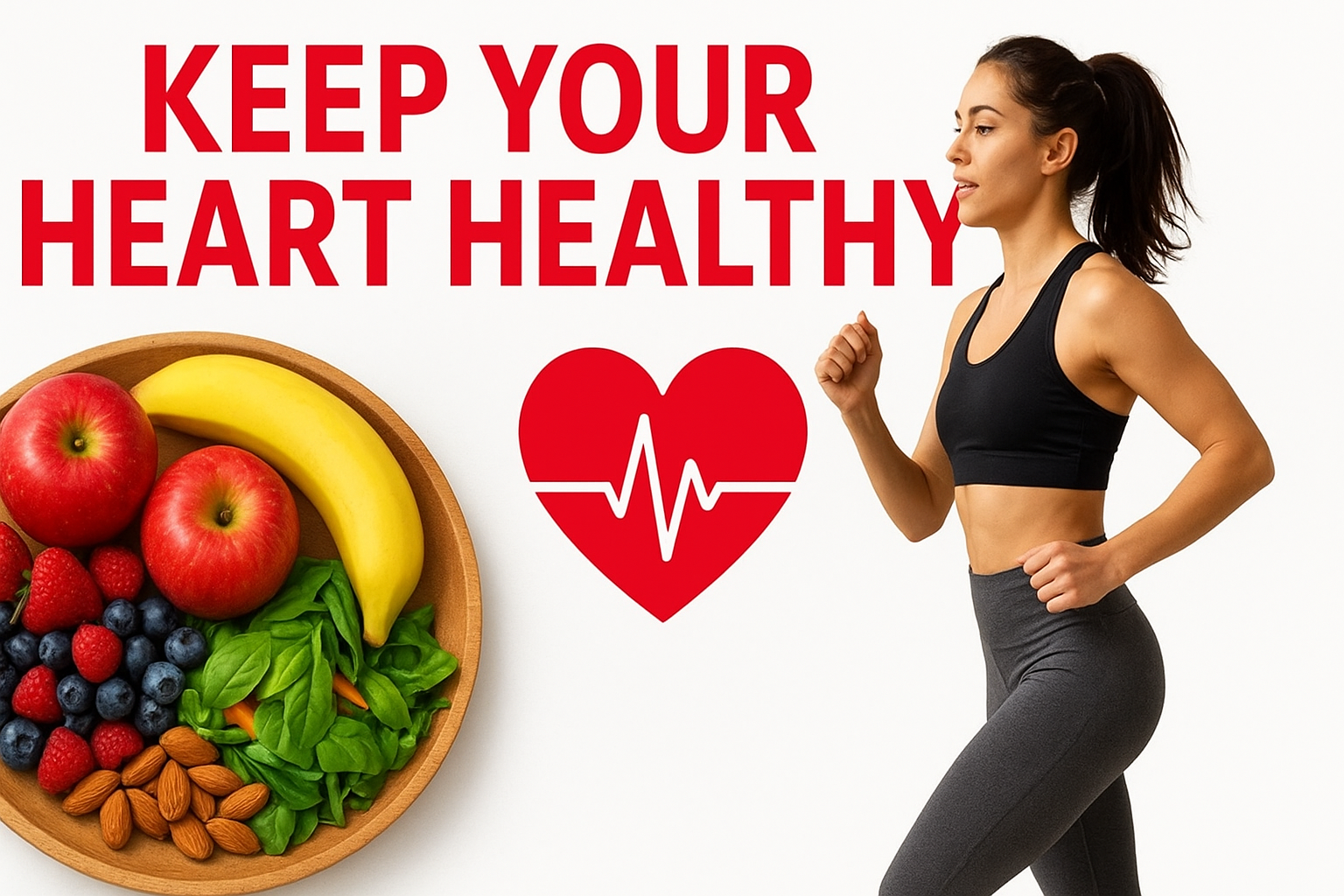
Before we talk about calories, cholesterol, or cardio workouts, let me tell you a story that changed how I look at health forever.
Nearly three years ago, my grandmother complained of chest pain. Like many Indian families, we thought, “It’s probably normal gas or body pain.” We took her to a small clinic, she was given some tablets, and we went home feeling relieved.
The very next day, she suddenly became unconscious.
In panic, we rushed her to a hospital. After tests, doctors told us something that shook our entire family—she had a serious heart blockage and needed immediate referral to a bigger city hospital.
But the most heart-melting moment came later.
My uncle and I sat outside her hospital room for hours. Ambulances kept arriving. Stretchers kept coming in. What broke me was seeing heart patients as young as 35 or even below 40. In less than 24 hours, people’s lives were completely dependent on medicines and machines.
Thankfully, my grandmother recovered. But her life changed forever. Daily medicines. Food restrictions. No dairy. No freedom to eat what she liked. Every single day, 5–8 tablets.
That day I realized something very clearly:
Heart health is not something to think about “later.” It starts from Day One.
So I researched deeply about cardiovascular health diet, habits, and routines—and I’m sharing everything here, honestly and simply.
Why Does Heart Health Get Damaged?
Before fixing anything, we need to understand the enemy.
Most heart problems don’t come suddenly. They build quietly over years because of:
- Bad cholesterol (high LDL)
- High blood pressure
- Chronic inflammation
- Belly fat and excess weight
- High blood sugar
- Less physical activity
- Poor sleep and constant stress
- Smoking and alcohol
The good news? Food and daily habits can control almost all of these.
What Is a Heart Healthy Diet?
A heart friendly diet is not boring, expensive, or foreign. It’s about choosing real, simple, and balanced food that supports your heart every single day.
Think of it as a cardiac healthy diet that lowers cholesterol, controls blood pressure, reduces inflammation, and keeps your weight in check.
Heart Healthy Foods List:
Fruits : Fruits play a very important role in any heart healthy diet, and adding them daily is one of the easiest habits you can build. Fruits like:
- Apple
- Banana
- Orange
- Berries (strawberry, blueberry)
- Papaya
- Pomegranate

These fruits help lower bad cholesterol (LDL), reduce internal inflammation, and provide powerful natural antioxidants that protect your blood vessels over time. You don’t need to eat fruits all day long—just two to three servings per day are more than enough to support your heart without increasing sugar intake.
Vegetables : Vegetables are absolutely non-negotiable when it comes to a strong cardiovascular health diet. Green leafy vegetables like:
- Spinach, fenugreek, mustard greens
- Broccoli
- Bottle gourd, ridge gourd
- Carrot, beetroot
- Salad (cucumber, tomato, onion, lemon)
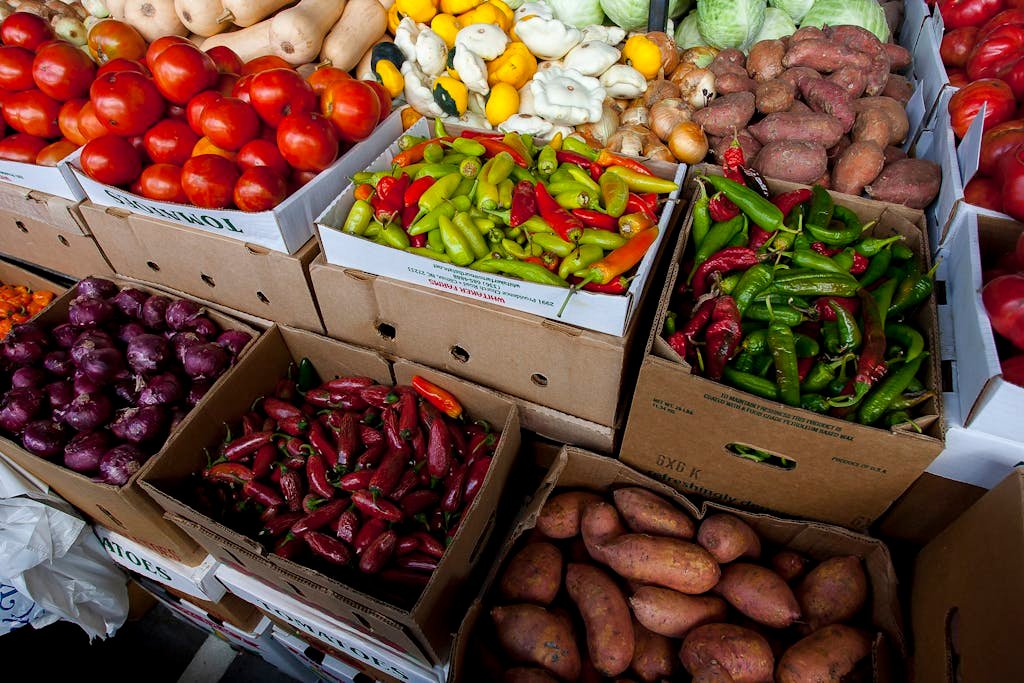
These vegetables help control blood pressure, improve blood circulation, reduce inflammation, and lower the overall strain on your heart, making them one of the most powerful natural tools for long-term heart health.
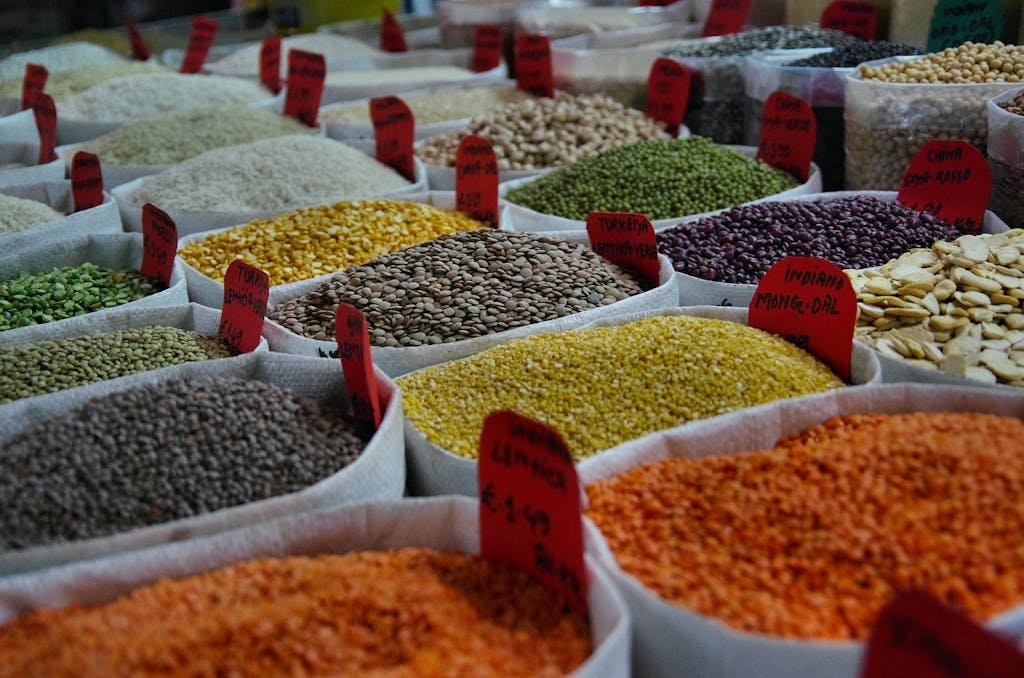
Whole grains : Whole Grains are a key part of any heart healthy diet plan because they provide steady energy, fiber, and better blood sugar control. Foods like:
- Oats
- Brown rice
- Daliya
- Whole wheat roti
- Millets (jowar, bajra)
On the other hand, white bread, maida-based foods, and most bakery items offer almost no nutritional value and can quietly damage heart health over time. Let’s be honest—these refined foods were never truly good for our health, and cutting them down is one of the smartest changes you can make for your heart.
Healthy Fats: Not all fats are bad—in fact, your heart needs the right kind of fats to function properly. Healthy fats found in almonds, walnuts, flax seeds, chia seeds, olive oil, and small amounts of mustard oil help reduce bad cholesterol and support overall heart function.
The problem starts with unhealthy fats like vanaspati, trans fats, and deep-fried foods, which increase inflammation and raise the risk of heart disease. A simple and effective habit is to include one small handful of nuts daily, which is enough to give your heart the good fats it needs without going overboard.
Protein : Protein plays an important role in heart health because it helps control body weight and keeps blood sugar levels stable, both of which reduce stress on the heart. Clean and light protein sources such as :
- Dal, chana, rajma
- Low-fat paneer
- Boiled eggs
- Fish (if non-veg)
The key is to avoid heavy, oily, or overly processed protein foods and focus on simple preparations that support long-term heart health.
Salt, Sugar, and Water : Salt and sugar may look small on the plate, but they have a huge impact on heart health. For a low sodium diet for heart patients, daily salt intake should be kept below one teaspoon, as excess salt directly raises blood pressure.
Sugar should be limited as much as possible, and soft drinks are best avoided completely—they offer nothing but empty calories and hidden sugar. Water, on the other hand, is often ignored but is extremely important. Drinking around 2.5 to 3 liters of water daily helps maintain healthy blood circulation, while dehydration can quietly increase blood pressure without any obvious warning signs.
Foods to Limit or Avoid for Better Heart Health
If you truly care about your heart, certain foods need to be limited or avoided as much as possible.
Fried snacks like samosas and pakodas, packaged chips, instant noodles, bakery items, sugary drinks, and processed meats may taste good for a few minutes, but they slowly damage heart health over time.
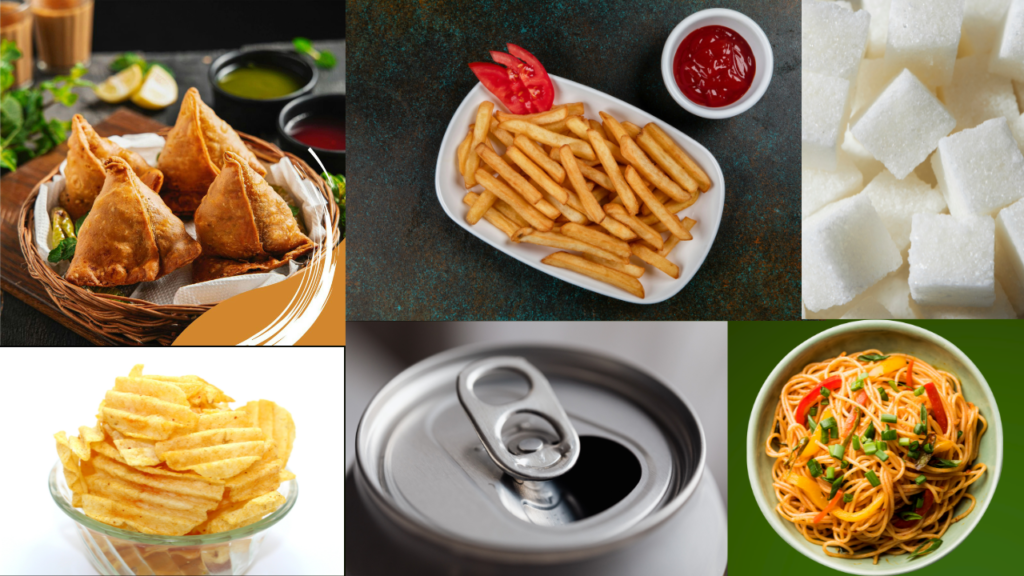
These foods are usually high in unhealthy fats, excess salt, and added sugars, making them classic examples of foods bad for your heart. Reducing their intake is one of the most powerful steps you can take toward long-term heart protection.
Heart-Healthy Exercise:
1. Indoor Exercises for Better Heart Health
Food alone is not enough to protect your heart—movement is medicine. Simple indoor exercises can significantly improve heart health when done consistently.
Activities like walking for 10 to 30 minutes help improve blood pressure and blood circulation, while spot jogging or marching in place gently raises the heart rate, burns fat, and builds stamina. If your joints allow, jumping jacks offer a powerful cardio boost in a short time.
Yoga poses such as Tadasana, Bhujangasana, and Setu Bandhasana help reduce stress and support heart function, while pranayama techniques like Anulom-Vilom and Kapalbhati assist in controlling blood pressure.

Body-weight exercises such as squats, wall push-ups, and step-ups strengthen muscles, which reduces the workload on the heart. Stationary cycling is another safe and effective option, especially suitable for seniors.
2. Outdoor Exercises for Better Heart Health
Outdoor exercises add variety, fresh air, and energy to your heart-healthy routine. Activities like jogging or running help build heart stamina and improve endurance, while cycling offers a joint-friendly cardio option that strengthens both the heart and legs.
Swimming works the entire body and is excellent for reducing stress while improving blood pressure control.

Playing sports such as badminton, football, or volleyball combines fitness with enjoyment, making it easier to stay consistent. Even something as simple as stair climbing acts as natural high-intensity interval training, and just five to ten minutes a day can make a meaningful difference. Ideally, aim for around 150 minutes of moderate exercise per week, or 30 minutes a day for at least five days, to keep your heart strong and healthy.
Summery
Watching my grandmother’s life change taught me one thing: You don’t need to wait for a warning sign to care for your heart.
A healthy diet for a healthy heart is not about perfection. It’s about consistency. Small daily choices. Simple food. Regular movement. Less stress. Because trust me— prevention is far easier than lifelong medication.
This article is for general information only and is based on my personal research and learning. I am not a medical or fitness expert. Before starting any exercise or diet changes, please consult your doctor, especially if you have any health conditions.






3 Comments