World Liberty Financial Sues Justin Sun for Defamation
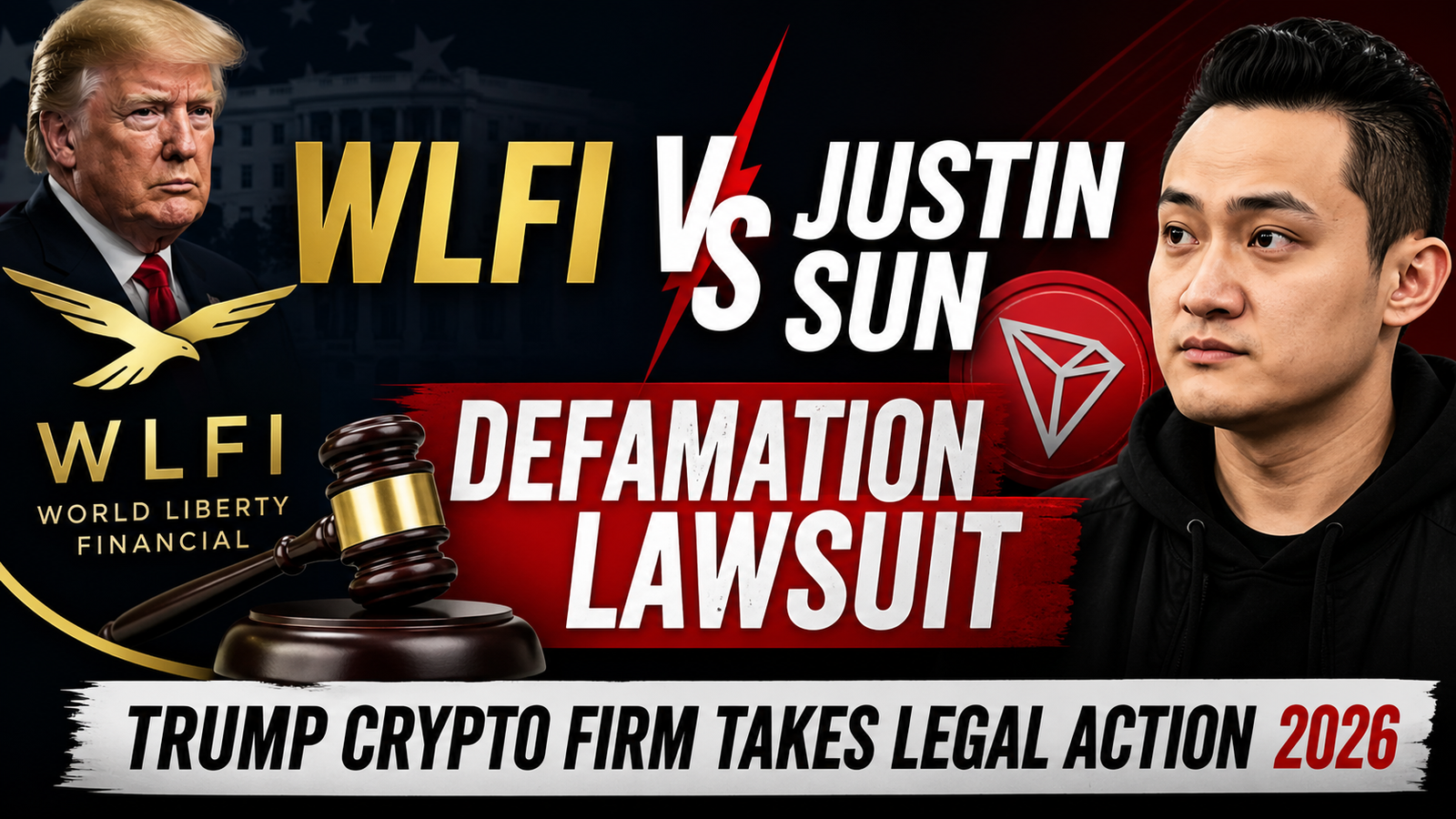
if you have been following the crypto space even a little bit lately, you probably already know that things between World Liberty Financial and TRON founder Justin Sun have gotten really, really messy. And honestly, according to me, this is one of the biggest crypto legal battles of 2026 so far. Let me break it all down for you in the simplest way possible, because I think you genuinely need to understand what is happening here, especially if you are someone who invests in crypto or follows anything connected to the Trump family’s business ventures.
So, What Exactly Happened?
On May 4, 2026, World Liberty Financial, which is the cryptocurrency firm closely tied to U.S. President Donald Trump and his family, filed a defamation lawsuit against TRON creator Justin Sun in a Florida state court, alleging what they describe as “gross misconduct” from Sun over WLFI tokens he had purchased.
Now, I think you need to understand the background here before jumping to any conclusions. This is actually a countersuit. Meaning, Justin Sun fired the first legal shot. In late April 2026, Sun filed his own lawsuit in a federal California court, claiming that World Liberty had unfairly locked up his WLFI token holdings, made fraudulent misrepresentations, and threatened and defamed him.
Sun is not some small-time investor either. He reportedly invested $45 million in WLFI tokens back in 2024, partly because of the Trump family’s association with the project. According to him, things turned sour when he refused to keep putting in more money or mint their USD1 stablecoin on his terms. CoinDesk
What Does Justin Sun Actually Claim?
According to me, Sun’s side of the story sounds pretty alarming if it turns out to be true. Sun’s complaint alleges that World Liberty’s freezing of his tokens served a dual purpose: pressuring him to mint $200 million of the company’s USD1 stablecoin on his Tron blockchain, and manipulating WLFI’s market price by preventing one of the largest holders from selling.
He also claims that World Liberty co-founder Chase Herro allegedly threatened to burn Sun’s WLFI tokens if Sun did not ask for his tokens to be burned himself, and also falsely claimed that Sun’s know-your-customer documentation was inadequate, with threats to report him to U.S. authorities. These are very serious allegations, and I think it is important to note that none of this has been proven in court yet.
Now, What Does World Liberty Financial Say?
On the other side, World Liberty’s new lawsuit alleges that Sun-related entities bought WLFI tokens for other investors through what they call “straw purchases” and may have engaged in short selling of the token.
This is where it gets really interesting. World Liberty describes a “large, deliberate, short-selling campaign designed to suppress WLFI’s price at the moment of its public launch,” which the suit ties to Sun-affiliated wallets moving $300 million to Binance.
Basically, their argument is that Sun knew about the token freeze terms before signing up, then turned around and publicly attacked them on social media to damage their reputation after his tokens were restricted. World Liberty alleges that Sun led a “deliberate campaign” to portray the project as fraudulent and near collapse, and the suit seeks monetary damages as well as a court order stopping him from making similar statements in the future.
After his tokens were frozen, Sun repeatedly posted on social media, writing publicly that the WLFI team had “secretly implanted backdoor controls over user assets” and called for personal accountability from the team.
Why Does This Matter for You as a Reader or Investor?
I think this story is really important for anyone who is even slightly involved in or curious about crypto. Here is why. This lawsuit, in my opinion, is a perfect real-world example of the risks that come with investing in politically affiliated crypto projects. When a token project is backed by a powerful political name, things can get complicated fast, especially when large investors and founders start disagreeing.
World Liberty’s leaders have publicly pushed back on Sun’s narrative, framing him as a disgruntled investor trying to pressure the project, and say the token freezes and restrictions were tied to compliance concerns, including questions around know-your-customer documentation. But Sun maintains those explanations are just excuses.
For everyday crypto investors, this case is a reminder that even high-profile, politically connected projects carry enormous risks. The ability of a project’s team to freeze tokens, burn holdings, or restrict transfers, as seen in this case, is something every investor should look into before putting in their money.
Where Does This Case Stand Right Now?
Both lawsuits are still at an early stage, and none of the allegations have been proven in court. So I would say, let us not rush to pick a side just yet.
What I personally think is that this legal battle is going to play out over months, maybe longer, and the outcome could set some really significant precedents for how crypto projects and their investors can legally interact with each other in the United States.
Keep watching this space closely. This is one story that is far from over, and honestly, according to me, it is only going to get more interesting from here.
Read More:



2 Comments