
BlackRock Blocks Part of Investor Withdrawals From $26B Private Credit Fund
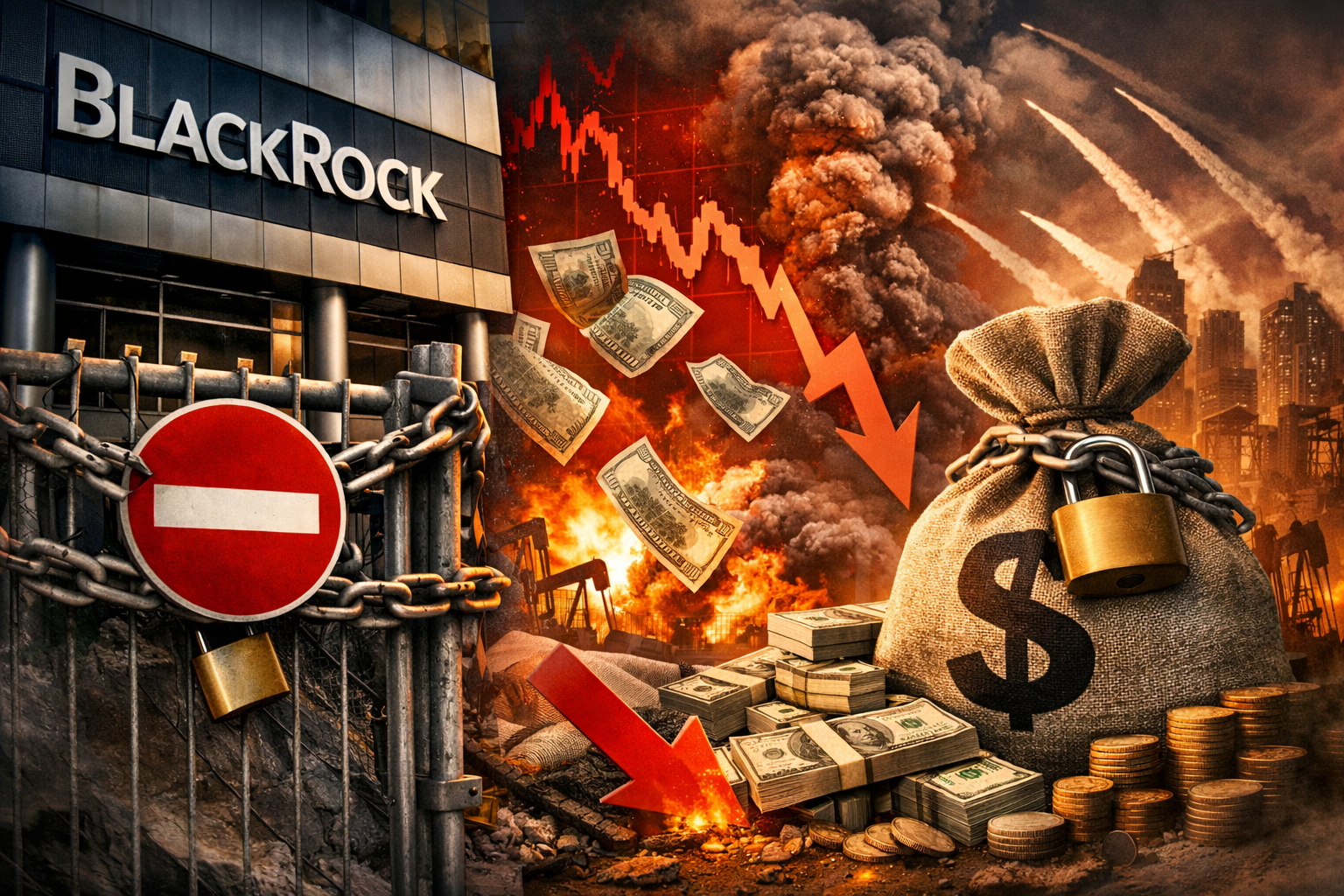
When I first read that investors were unable to withdraw their own money from a major fund, I honestly thought something serious might be happening behind the scenes. It’s not something you expect from the biggest names in finance.
The news that BlackRock – the world’s largest asset manager- has restricted withdrawals from its $26 billion private credit fund caught my attention immediately. At first, it sounded like a routine liquidity management step. But the more I looked into it, the more it started to feel like a possible warning sign for the broader financial market.
What Exactly Happened?
According to reports, investors tried to withdraw around $1.2 billion from the fund this quarter. That’s roughly 9.3% of the total assets.
However, the fund has a built-in rule- it only allows 5% withdrawals per quarter.
So what happened?
- BlackRock paid out about $620 million
- The remaining withdrawal requests were delayed
- Nearly half of the investors couldn’t access their money immediately
When I understood this, I thought about how this might feel from an investor’s perspective. Imagine wanting your money back and being told you have to wait. That alone tells you something important about how these funds operate.
This Is Not Just a BlackRock Issue
At first, I assumed this might be an isolated case. But it turns out the pressure is spreading across the entire private credit sector.
Other major firms like:
- Blackstone
- Blue Owl Capital
- KKR
- Apollo Global Management
- Carlyle Group
all saw their stock prices fall by around 5–6% in a single day. That made me realize this isn’t just one fund facing pressure- it could be a broader industry issue.
Signs of Stress in the System
Looking deeper, I found some interesting signals. For example:
- Blackstone reported a record 7.9% redemption requests
- The firm had to increase withdrawal limits
- It even injected $400 million of its own capital to meet demand
And then there’s Blue Owl Capital, which temporarily replaced withdrawals with IOUs. When I saw that, I paused. Because replacing cash withdrawals with IOUs suggests liquidity stress is real.
Why Is This Happening?
To understand this, I had to look at how private credit funds actually work.
These funds typically:
- Lend money through private, illiquid loans
- Invest in assets that cannot be easily sold
- Focus on long-term returns rather than quick liquidity
At first, this model sounds fine. But the problem starts when too many investors want their money back at the same time.
I think of it like this:
If everyone tries to exit at once, the fund simply doesn’t have enough liquid cash to meet all requests immediately. And that’s exactly what we are seeing now.
A More Concerning Detail
One detail that really stood out to me was BlackRock marking down a $25 million loan to zero.
Just a few months earlier, that same loan was valued at full price.
That kind of sudden revaluation made me think- how many other assets might be overvalued? It also highlights how opaque this sector can be. Unlike public markets, private credit investments are not always transparent.
What Experts Are Saying
Even experienced investors are raising concerns.
Bill Eigen, a veteran investor at JPMorgan, said:
“Bad news often happens all at once, and the level of leverage and opacity in this sector is concerning.”
When I read that, it reinforced my initial thought- this situation might be more than just a temporary issue.
The Bigger Picture: A $1.8 Trillion Industry
The private credit market has grown rapidly and is now worth around $1.8 trillion.
That’s huge. But with growth comes risk.
Right now, several factors are adding pressure:
- Rising interest rates
- Persistent inflation
- Geopolitical tensions
- Higher oil prices
I personally feel that when multiple risks combine, even strong sectors can start showing cracks.
Why This News Matters for You
Now the important question- how does this affect you?
Because I believe news only matters if it helps you make better decisions.
1. Understanding Liquidity Risk
This situation clearly shows that not all investments are liquid. I used to think that I could withdraw money anytime from most investments. But private credit funds don’t work that way. This is an important lesson- always understand how easily you can access your money.
2. Diversification Matters
If all your money is locked in one type of asset, situations like this can become stressful. I personally think diversification is not just about returns- it’s about flexibility.
3. Don’t Ignore Early Warning Signs
This may or may not turn into a larger issue. But I believe it’s better to pay attention early rather than react later. Financial markets often show small signals before bigger changes happen.
4. Institutional Moves Can Signal Trends
When large firms like BlackRock take such steps, it often reflects underlying market conditions. I’ve started paying more attention to what institutions are doing, not just what they are saying.
A Balanced Perspective
Even though this situation raises concerns, I don’t think it means the system is collapsing. Withdrawal limits are actually designed to:
- Prevent panic selling
- Protect long-term investors
- Maintain stability in the fund
So in some ways, these restrictions are part of the system working as intended. But at the same time, they highlight the importance of understanding risk.
My Final Thoughts
When I first read this news, I thought it was just a technical adjustment by a large fund. But after digging deeper, I see it as something more meaningful.
It’s a reminder that:
- Not all investments are easily liquid
- Even large institutions face pressure
- Market risks can appear suddenly
Personally, I’m not panicking. But I am paying closer attention. Because situations like this don’t just affect private credit- they can influence broader financial markets over time.
And as an investor or even as someone learning about finance, I think it’s important to understand these signals early.
Sometimes, the biggest lessons don’t come from market crashes- they come from moments like this, where the system shows its limitations.
Read More:






2 Comments